Print And Apply Labeling Machine
2、Special labeling mechanisms ensure strong adhesion and prevent labels from peeling off after application.
3、The adjustable labeling head supports flexible positioning and meets different special labeling requirements.
4、Suitable for operation in challenging environments, including high temperature, high humidity, and corrosive conditions.
High-Performance Print And Apply Labeling Machine for Automated Real-Time Variable Data Labeling Solutions
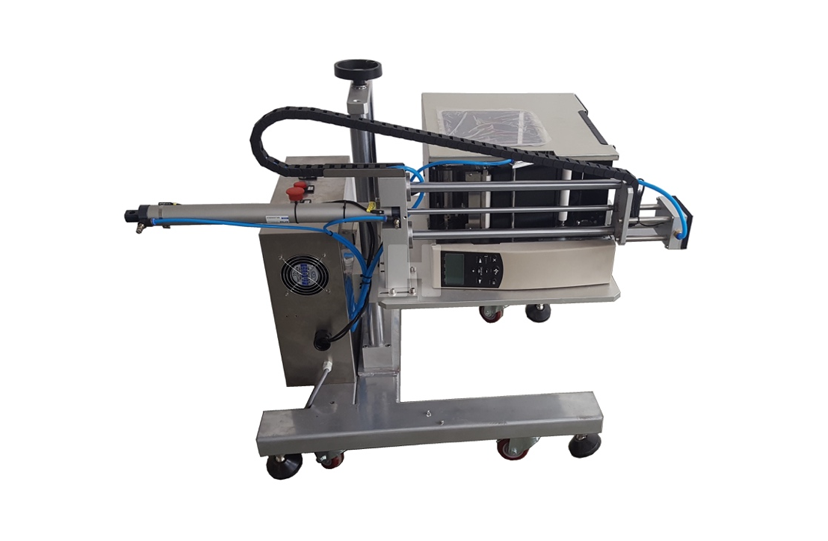
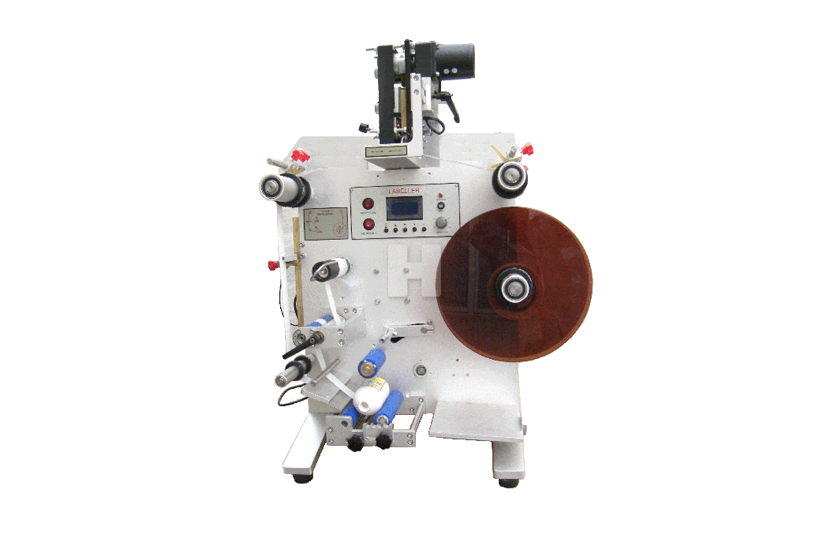
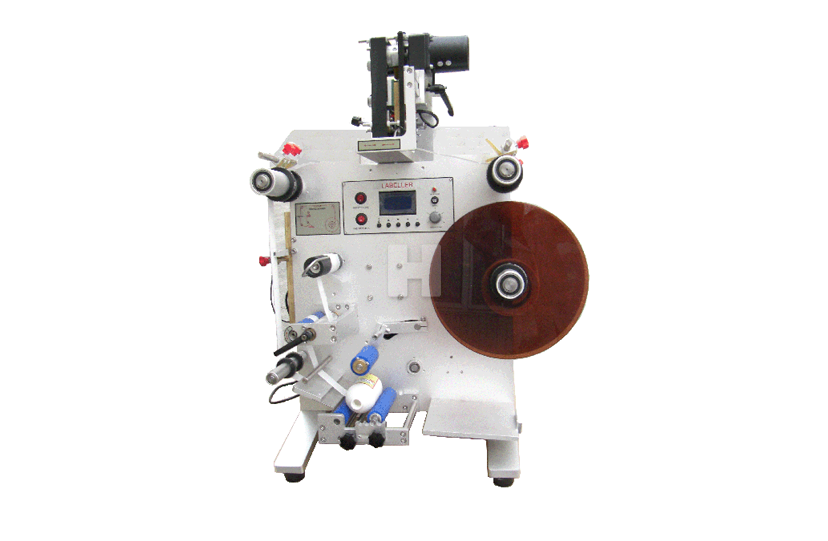
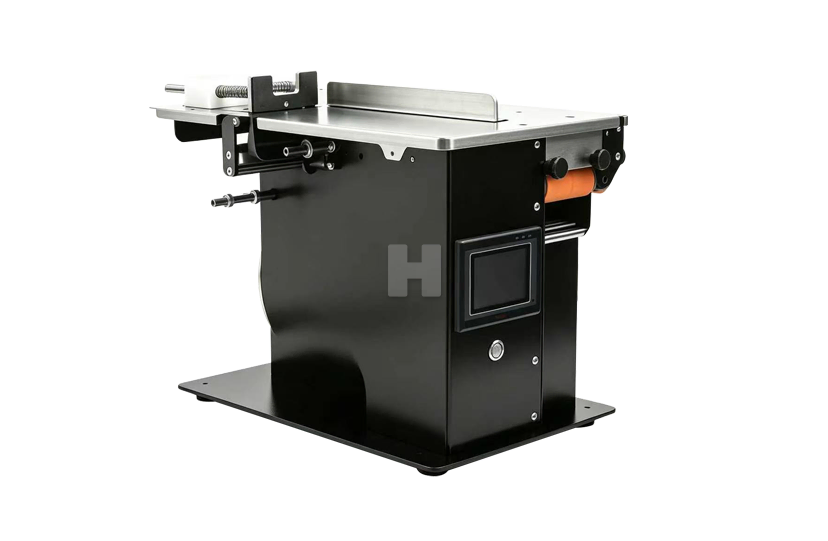
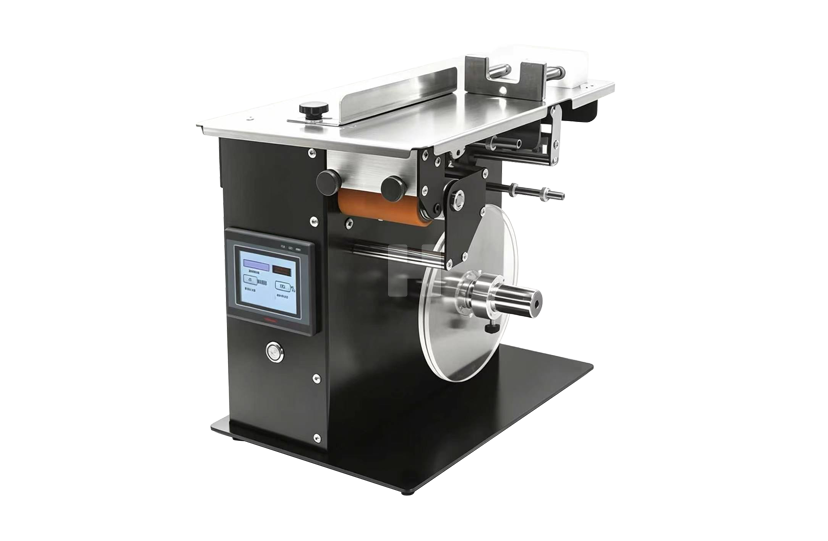
Shanghai Honghua Digital Equipment Co., Ltd. is happy to introduce the JT-310AC automated Print And Apply Labeling Machine, an enterprise-grade labelling automation system for high-precision side surface application. It is an all-in-one solution with 300 dpi print quality, ±1mm adjustable labelling precision, and an industrial 880×750×1380mm frame for harsh applications such as high temperature and high humidity. Proven in several variable data printing applications, including serialised barcodes and traceable QR codes, this solution avoids the expense of pre-printed label inventory and has standard IO synchronous ports for production line integration.
Why Modern Production Lines Need the Print And Apply Labeling Machine for Automated Labeling Technology?
Manual labelling in conventional fashion generates bottlenecks in high-speed production systems. When manufacturing lines are moving hundreds of goods every minute, human operators have a hard time keeping it accurate and consistent.
The need for variable data adds still another layer of complication. Products require . . . batch numbers, expiry dates, serialised codes that vary with every item. Pre-printed labels can’t tackle this difficulty adequately.
Our Print And Apply Labeling Machine fulfils this need by integrating on-line thermal transfer printing with accurate pneumatic application devices. You obtain precise label positioning without disrupting your manufacturing flow.

Complete Technical Specifications Overview
| Parameter | Specification |
|---|---|
| Power Supply | 220V 50-60Hz |
| Air Supply | 3-5 KG/cm² |
| Print Resolution | 300 dpi |
| Printing Speed | 0-203.2 mm/s |
| Ribbon Length | 300m |
| Ribbon Width | 30-114mm |
| Max Label Roll Diameter | 200mm |
| Max Label Width | 104mm |
| Printing Type | Hot Transfer / Heat Printing |
| Machine Dimensions | 880×750×1380mm (adjustable) |
| Labeling Accuracy | ±1mm |
| Control System | PLC + HMI Touch Screen |
Industrial-Grade Print Engine Integration
It has an industrial thermal transfer print engine capable of printing changeable data on the fly. Print batch numbers, manufacturing dates, QR codes and logistics tracking codes, without the need to maintain expensive pre-printed label stocks.
This capacity to produce labels anytime you need to affects how you perform labelling. When a product comes in it just receives the information it needs. You no longer need to worry about utilising obsolete or inappropriate pre-printed labels in your warehouse.
The resolution of 300 dpi makes sure that the barcodes are readable and scannable, which is what the carriers want. Ship with UPS, FedEx or a local delivery firm, your labels will always pass passed automated scanning systems.
Flexible Positioning for Diverse Product Shapes
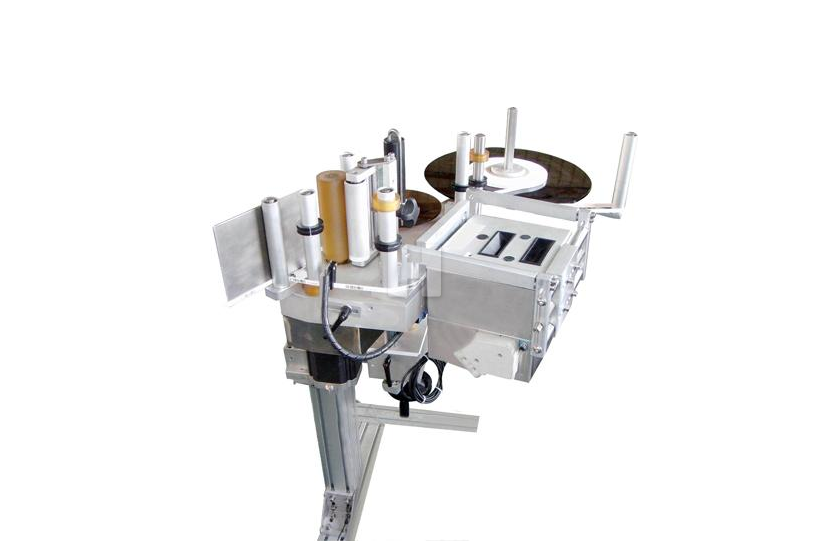
Your manufacturing line is working on a variety of sizes and forms of products. The JT-310AC solves this problem with an adjustable labelling head that offers vertical lift, horizontal travel and 90-degree rotation.
This versatility allows you to place side labels on cartons, corner labels on plastic buckets, or codes on uneven bag surfaces. That same machine can handle various SKUs without expensive changeover operations.
The labelling process is constantly controlled using photoelectric sensors. If a product goes through without being appropriately detected or a label does not feed correctly, the system raises an automated alert. You detect mistakes before items leave your facility.
Precision Application Without Product Damage
Vacuum label picking with soft touch buffer design protects sensitive product surfaces. The technology is able to achieve ±1mm precision removing typical labelling issues including bubbles, wrinkles and failed adhesion.
When the applicator pad touches your goods, it automatically retracts to avoid scratches on coated surfaces or distortion of delicate packaging. This delicate method applies to all sorts of products, from hard boxes to flexible pouches.
Effective adhesion processes keep the labels secure throughout the distribution chain. Your items can tolerate temperature swings, humidity and handling stress so labels won't peel.

Seamless Production Line Integration
Standard IO synchronous ports allow easy connection to your current conveyor systems, weighing scales and sorting equipment. The PLC control system interfaces with the up- and downstream machines and thereby ensures a constant flow of work.
The HMI touch interface makes product changeovers a one-click affair when storing parameters. Your operators store parameters for various SKUs and bring them up promptly when production plans change.
Stainless steel and aluminium alloy frame construction GMP standard necessary for pharmaceutical and food industrial environment. You are compliant to regulations and you get industrial strength.
Customization Options for Specialized Requirements
Most labelling situations work well with the default setups. Custom options greatly extend the system possibilities for applications.
The extended labelling stroke allows for bigger objects and odd placement needs. Dual print heads may apply numerous labels at once or print redundantly for backup. Vision inspection rejection systems provide automatic quality control that rejects poorly labelled items from your line.
These customisations address industry-specific issues. Specialised heating elements are used in cold chain activities to avoid condensation in refrigerated settings. Serialisation applications in the pharmaceutical industry achieve verified loops that test 100% barcode reading.
Operational Efficiency in Challenging Environments
The Print And Apply Labeling Machine system performs well under extreme situations such as high temperature, high humidity and contact with caustic chemicals. Industrial grade components can handle environmental stressors that cripple consumer-grade devices.
This environmental resistance increases operational uptime. Your production plans are not disrupted by equipment breakdowns during seasonal temperature variations or by facilities without climate control.
The build is solid and the parts are of good quality so it doesn't need much maintenance. Printheads cleaned often with isopropyl alcohol maintain print quality for millions of label applications.

FAQ
Q: How does the machine adapt to varying heights of products?
A: Photoelectric sensors on the pneumatic applicator system detect product surfaces and automatically change vertical positioning for precise label application at different heights.
Q: Can I integrate this solution with ERP systems?
A: Yes, the PLC interface uses a standard protocol and can be integrated directly to SAP and Oracle for variable printing in real time.
Q: What causes label application errors and how do you fix those?
A: Most failures are due to inappropriate vacuum pressure or timing settings. The HMI interface offers settings that may be adjusted by the operator to suit the properties of the label material and the product surface.
Q: How often should maintenance be performed?
A: Clean the printhead with 99% isopropyl alcohol while replacing label rolls or ribbons. Check your hoover pads regularly and replace any worn parts depending on the amount of use.
Q: After the label is applied, is the label quality validated?
A: Standard setups incorporate photo-electric sensing of presence of label. Optional vision systems may verify barcodes and offer readability scores for crucial traceability applications.
Contact Us
Ready to eliminate labeling bottlenecks and reduce operational costs with Print And Apply Labeling Machine? Contact our technical team at [email protected] for customized solutions that match your production requirements.