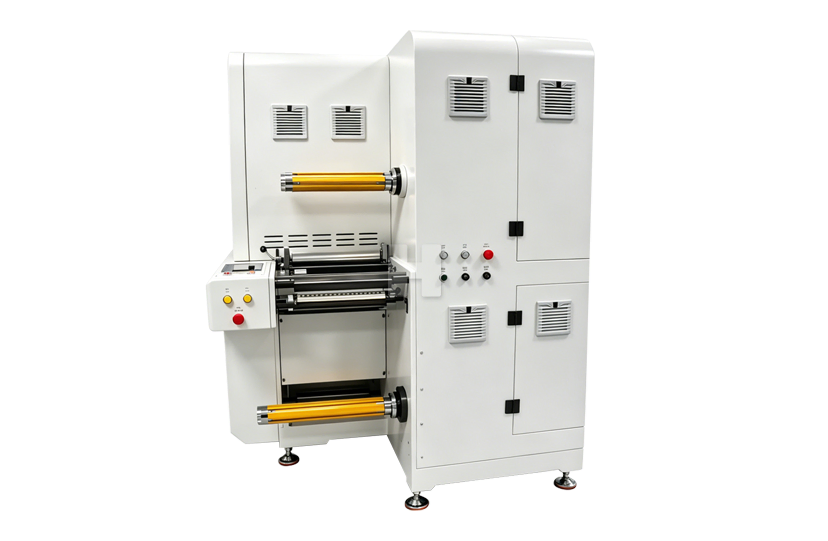
Digital Label Press: A Guide to High-Quality Label Production
A digital label press helps label manufacturers reduce plate costs, shorten lead times, and produce flexible short runs with consistent quality.
Understanding Digital Label Press Technology
What It Is and How It Works
A Digital Label Press doesn't need to expose and place plates like a standard flexographic press does. Instead, it uses precision print heads to make images straight from TIFF or PDF files. The substrate keeps moving along the web path, the ink is put down with sub-micron accuracy, and the image is locked permanently by an inline curing system that can be LED, UV, or thermal. This makes a finished label that is ready to go to the press without cutting a single plate.
The three main types of technology used in the market are UV inkjet, water-based inkjet, and electrophotographic toner (dry or liquid). UV inkjet is the most popular way to make industrial labels because it is resistant to chemicals, produces bright colors, and works with non-porous films like BOPP and PE, which are what buyers of pharmaceutical, chemical, and food-grade labels want.
Key Components That Drive Performance
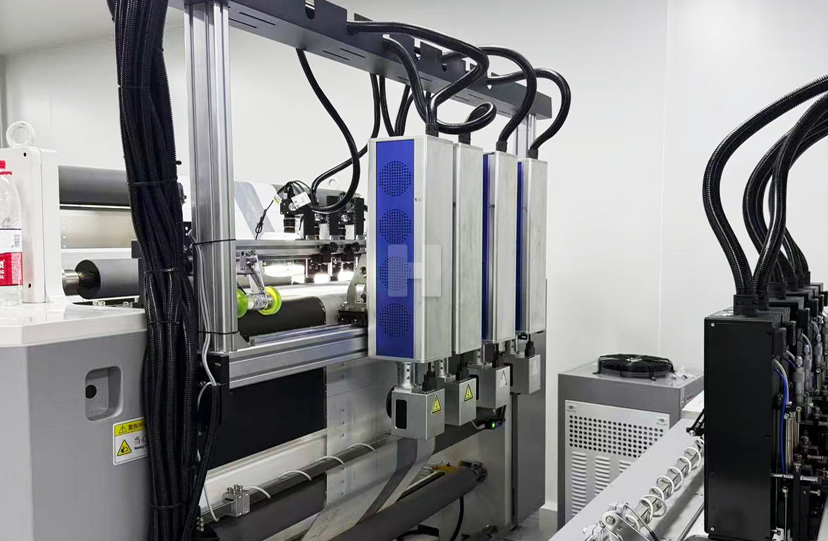
The imaging assembly is what makes a high-performance label press work. It includes industrial-grade print heads, a negative-pressure ink delivery system, an ink temperature control circuit, and a base plate that has been carefully made. Registration precision is probably the most important factor. A difference of just 0.05 mm across a multi-color run causes finished labels to be out of alignment, which leads to expensive waste and customer rejections.
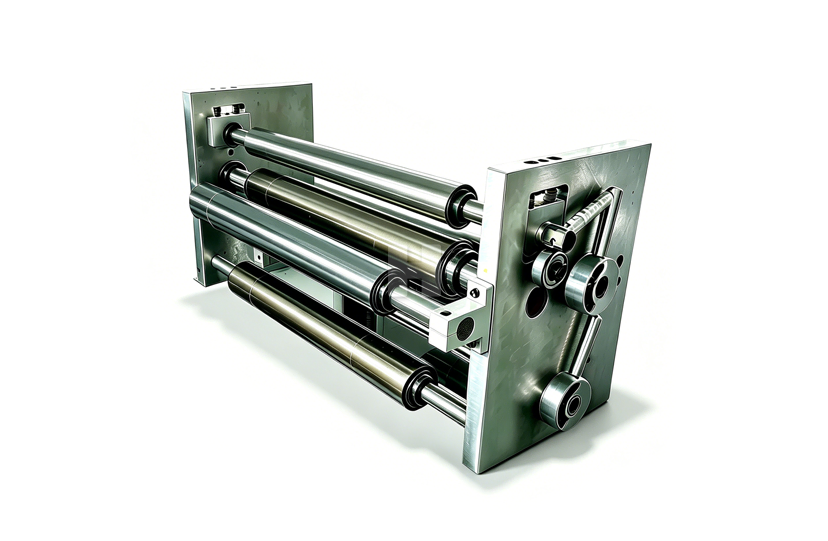
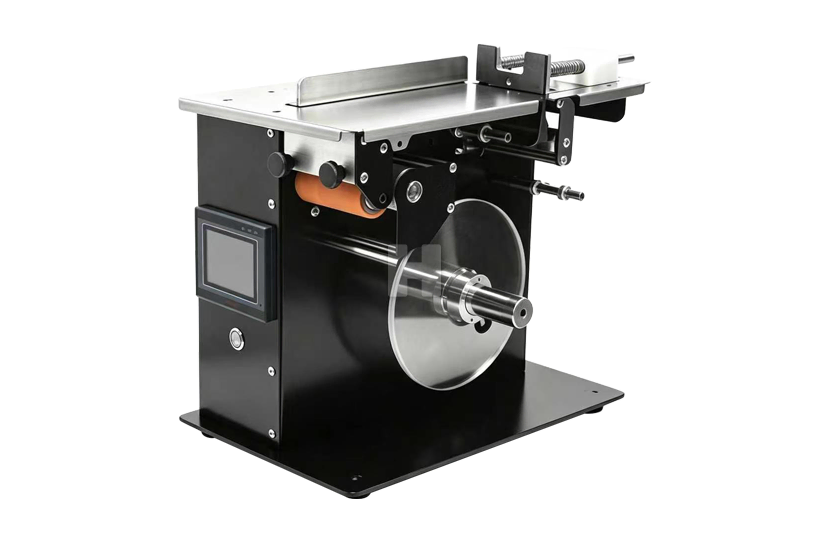
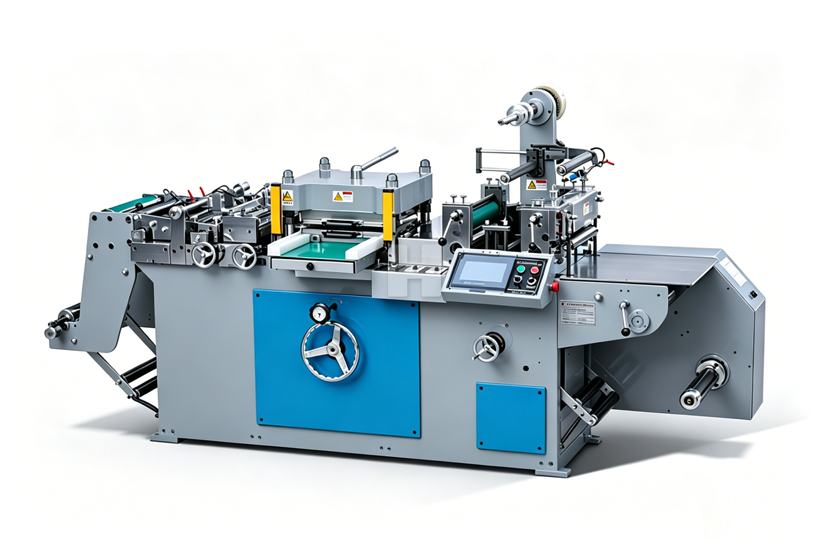
The plate-free label press from Shanghai Honghua can repeat position accurately within 0.005 mm. This is possible thanks to an ultra-high-precision base plate that goes through multiple heat processes to keep it from permanently deforming. Its unique ink circuit design turns on holiday mode within one minute of turning off the power. This keeps the print heads from drying out and getting clogged, which is a common problem in places with multiple shifts.
Benefits of Digital Label Presses for B2B Procurement
Data from the industry clearly shows that moving to digital label printing is the right thing to do for business. Smithers' The Future of Digital Printing for Labels and Packaging report says that Digital Label Press output will grow at a rate of more than 8% per year until 2028. This is because of the need for variable data printing and short-run personalization.
For buying and production teams, these are the main benefits of this technology:
- No plate costs or lead time penalties: With traditional flexo plate making, tools cost $300 to $2,000 per job, and there is a wait time of 3 to 7 days. Both of those problems are solved by a digital press, which makes it profitable to take on rush orders and multi-SKU amounts that flexo can't handle cost-effectively.
- Variable data and versioning at zero extra cost: Serialized barcodes, QR codes, lot numbers, and multilingual text can change from print to print at no extra cost, and they can be used for serialization of pharmaceuticals and GHS chemical labeling compliance.
- Reduced substrate waste: Digital make-ready uses a lot less material than traditional presses, so there is less loss. After switching to digital, converters with short runs of less than 3,000 linear meters reliably report 30–50% less substrate waste.
- Broad material compatibility: A good label press can handle material thicknesses from 0.02 mm to 1 mm and feed lengths from 75 mm to 350 mm. It can also handle self-adhesive labels, trademarks, stickers, and color-printed rolls all on the same production base.
These benefits directly address the practical problems that production managers and engineering teams say bother them the most: batch sizes that can't be changed, changeovers that cost a lot of money, and color matching that isn't always accurate across repeat orders.
How to Choose the Right Label Printing Equipment for Your Business
Matching Specifications to Production Demands
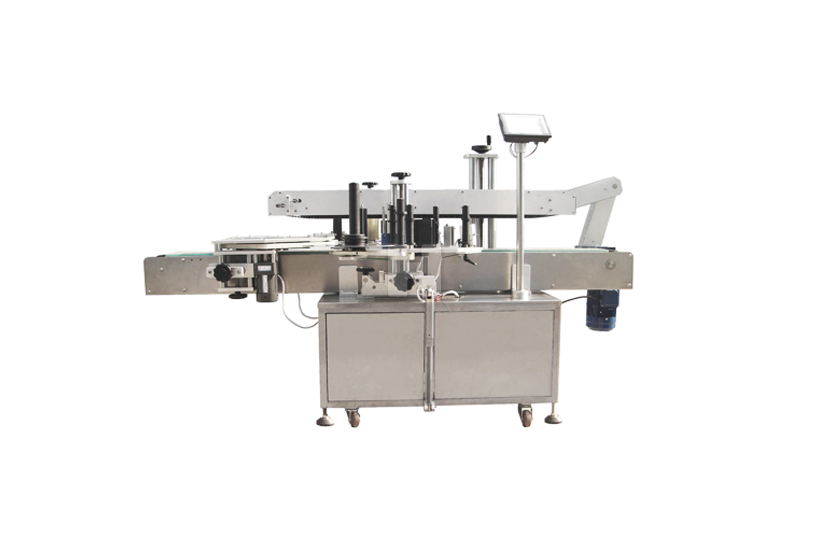
Three basic factors should be used to start an organized evaluation: the largest printing width, the color configuration, and the ability to cure on a variety of substrates. Most industrial label converters can handle most product label work with a maximum printing width of 322 mm and CMYK four-color output. Before committing, make sure the Digital Label Press supports inline finishing modules if your customers need special finishes like cold foil, white ink, or gloss.
Both duty cycle and production speed are important. A press with a working power of 20 kW and an industrial air supply of 0.6 to 0.8 MPa is designed to work continuously in a factory, not on a desk or in an office. Purchasing managers should ask for uptime data that has been tried over and over again and directly ask suppliers how long it usually takes for the print head unit to break down.
Digital vs. Flexo: A Practical Cost Comparison
Digital label printing and flexo label printing usually reach a point where they both break even at about 3,000 to 5,000 linear meters per job. When plate prices, make-ready waste, and labor are taken into account, digital is almost always the cheaper choice below that point. When the number of meters per run goes over 10,000, faster linear speeds help wide-web flexo get back to being cheaper. Most mid- to large-sized converters do well with a mix of digital and flexo printing for short runs and versioned work and high-volume commodity labels.
Procurement, After-Sales Support, and Lifecycle Management
Buying a Digital Label Press is a long-term investment that requires trust in both the seller and the machine itself. Shanghai Honghua's equipment has a 20-year service life and lifetime expert support after the sale. This makes the total cost of ownership much lower than with equipment that only comes with a 3–5 year warranty.
The company has many production facilities in China and equipment warehouses in Southeast Asia. This lets them quickly fill orders and makes it easy to clear customs when sending goods to and from many countries. For buyers in the U.S., this means shorter lead times, faster access to spare parts without having to wait for them to cross the country, and a seller that knows how to handle foreign logistics needs, such as FOB, CIF, and DAP terms.
After the printer is set up, it should come with support that includes maintenance schedules for the printhead, where to get ink cartridges, and software updates for the control system. Putting these terms in writing before you buy keeps disputes from happening and keeps production going.
Troubleshooting and Maintaining Your Label Press
There are three main types of problems that a Digital Label Press often has: print head clogging, color registration drift, and substrate feed errors. Shanghai Honghua's unique slit LED technology, which doesn't let any light leak out, is designed to keep the printhead from getting clogged while it's running. This decision was based on real output data from high-humidity factory settings.
To fix register drift, you need to recalibrate the tension control system and make sure the base plate hasn't been heated up and cooled down. Honghua's press has a multi-heat-treatment base plate that is intended to keep its dimensions stable over time. This means that the plate won't warp like it does on cheaper machines, which can lead to long-term register problems.
Automatic identification of foreign objects and smart printhead safety circuits handle substrate jams at speed, which is the most damaging type of failure. When a foreign object is found, the system stops and pulls back the print head assembly before contact damage happens. This keeps expensive head replacements to a minimum.
Conclusion
A reliable digital label press delivers flexible, cost-efficient label production. Choose a trusted supplier for advanced solutions and long-term support.
FAQ
What is the difference between a digital label press and a flexo press?
A Digital Label Press doesn't need plates because it prints directly from digital files. This makes it a cheap choice for short runs, variable data, and quick job changes. A flexo press uses physical plates and works best for long-run, high-volume commodity labels because the cost of the plates is spread out over a lot of them.
How long does installation typically take?
Standard installation for an industrial label press takes three to seven work days, but this depends on how ready the building is, how the power source is set up, and how much training the operator needs.
What consumables does a label press require?
UV or water-based inks (at least CMYK), printer cleaning solution, and substrate primers are the main things that are used up. Substrate primers are needed for ink to stick to low-surface-energy films.
How often should printheads be replaced?
Industrial-grade printer printheads can handle firing trillions of drops. With regular maintenance and ink filtration, the time between replacements can usually be extended to 12–24 months when production loads are normal.
Can the press handle food-safe label substrates?
It depends on how the ink is made. Before agreeing to a substrate and ink combo, check with your provider to make sure that the ink set meets the standards that apply to your project, such as Swiss Ordinance compliance.
Partner with Shanghai Honghua for Your Next Label Press Investment
Shanghai Honghua offers tried-and-true Digital Label Press options that are backed by 13 technical patents, machinery that lasts 20 years, and support that lasts a lifetime. As a reliable manufacturer, we serve B2B customers around the world. From our factories in China and Southeast Asia, we offer full OEM/ODM customization, a flexible MOQ, and shipping all over the world. You can email our team at [email protected] to get a personalized quote or a live sample of the product.
References
1. Smithers Pira. The Future of Digital Printing for Labels and Packaging to 2028. Smithers, 2023.
2. Leach, Robert H., et al. The Printing Ink Manual. 5th ed., Springer, 1993.
3. Kipphan, Helmut. Handbook of Print Media: Technologies and Production Methods. Springer, 2001.
4. TLMI (Tag and Label Manufacturers Institute). Digital Label Printing Technology Report. TLMI, 2022.
5. Pira International. Label and Narrow Web Market Report. Pira International, 2021.
6. ISO/IEC 15416. Information Technology — Automatic Identification and Data Capture Techniques — Bar Code Print Quality Test Specification: Linear Symbols. ISO, 2016.