Digital Label Machine Features That Matter for B2B Buyers
Choosing the right digital label machine helps B2B buyers reduce waste, improve efficiency, and achieve consistent label quality.
Understanding Digital Label Machines and Their Core Features
A Digital Label Machine is a high-quality printing system for businesses that can print digital artwork directly on materials without using plates, exposure methods, or registering colors by hand. This difference means that companies that print labels, make boxes, and make RFID labels can save money and change their process more quickly.
Types and Performance Benchmarks
The market includes small desktop units that are good for pilot batches and high-throughput roll-to-roll systems that are made for continuous production. Native print resolution, production speed (measured in meters per minute), supported media types (BOPP, PET, PE, textured papers), and color gamut coverage are some of the most important performance indicators that business buyers should look at. Smithers Pira (2023) says that digital label printing now makes up more than 22% of all label production. This number is steadily going up as companies shorten the life cycles of their products.
Compatibility with input files is just as important. Accepting standard forms like TIFF and PDF makes it easier for design teams and outside companies to prepare files.
Print Accuracy and Registration
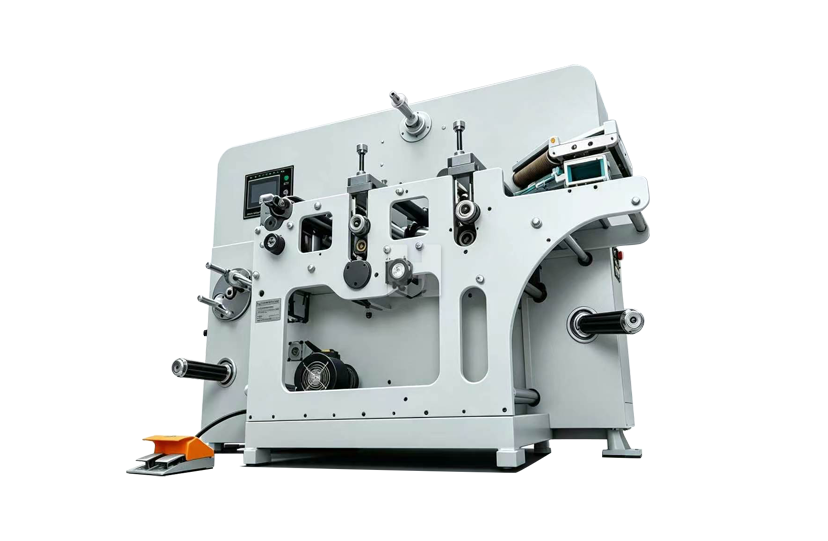
Managers of production and engineering pay close attention to repeat placement accuracy as a measure. The Honghua high-speed label press has a combined printing unit with a tolerance of 0.005 mm. This removes the tiny misalignment that leads to color ghosting in multi-layer label work. When combined with patented splicing technology for seamless web printing, this level of mechanical precision works well for anti-counterfeiting codes, pharmaceutical serialization, and the look of high-end cosmetic labels.
Key Features That Address B2B Procurement Needs
When purchasing managers have to balance capital budgets with production flexibility, they need Digital Label Machines that can grow without having to make expensive platform changes.
Here are the core technical and operational attributes worth evaluating on any serious shortlist:
- Modular, plate-free architecture: Since opening plates and UV exposure aren't needed, there are no more per-job tooling costs. This is a clear cost benefit for printing in small quantities, with multiple designs, in multiple batches, and quickly. When brands handle dozens of SKUs each season, they get payback times that regular flexo presses can't match.
- Dual-curing technology: Using both LED and traditional curing saves energy and makes sure that the ink sticks well to a variety of substrates. The LED part makes the lamp last longer and puts out less heat, which protects heat-sensitive materials like thin films (thickness range: 0.02 to 1 mm).
- Automated self-diagnostics and printhead protection: Intelligent printhead safeguards and automatic foreign object detection cut down on unplanned downtime. Through a unique ink circuit design, a holiday mode that is triggered within one minute of powering off keeps printheads hydrated during shift breaks, protecting a part that costs a lot to maintain.
- Full-circuit ink temperature control: Starting with the main ink cartridges, the whole ink pathway is kept at the same temperature. This keeps the viscosity and color density stable all year, whether the production floor is in Minnesota in January or along the coast of Southeast Asia in August.
These features take care of the two main worries in business-to-business purchasing: uptime dependability and cost per unit of production. Compared to traditional press setups, facilities that use this design usually report a noticeable drop in material waste during job changes.
Comparing Digital Label Machines: Making the Right Choice for Your Business
Digital vs. Analog: Where the Economics Shift
Digital label production and flexographic label production usually stop making money after less than 2,000 to 3,000 square meters per run. Below that point, the cost of plates, wasted setup time, and operator time make analog printing much more expensive per label. Above that, high-volume flexo still has a lower cost-per-unit, but it quickly loses ground when there are a lot of different jobs to do.
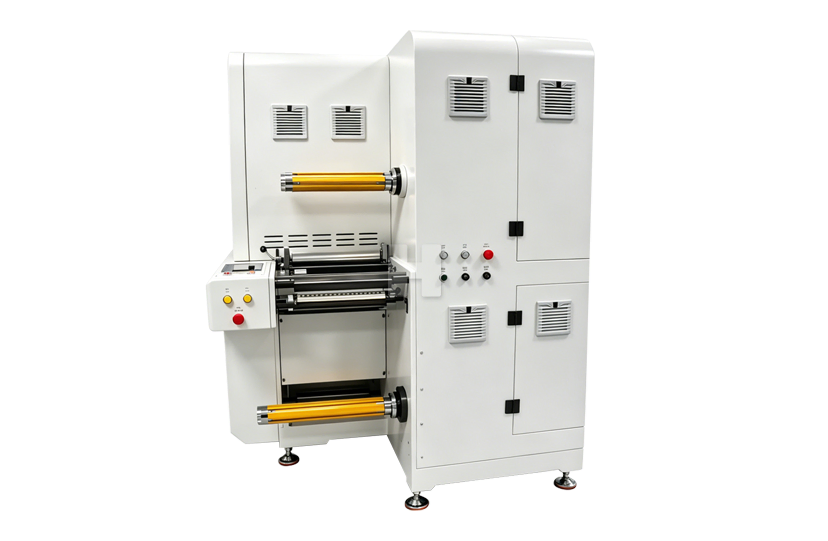
Zebra, Epson, Roland, and HP are all well-known world names, but they all work in different markets. Zebra is great at making compliance labels and heat barcodes. Epson and Roland both do color label work in the middle range. Electrophotographic technology is used by HP Indigo to make high-quality short-run packaging. Shanghai Honghua's industrial roll-to-roll Digital Label Machine is in a different category: a heavy-duty, continuous-production platform with a 1,500 kg frame, an ultra-high-precision machined base plate that has been heat-treated multiple times to ensure permanent dimensional stability, and a 20-year rated operational lifespan.
Specification Highlights for Technical Evaluation
| Parameter | Specification |
|---|---|
| Overall Dimensions | 2 m x 1.5 m x 1.9 m |
| Max. Printing Width | 322 mm |
| Feed Material Width | 75–350 mm |
| Unwinding/Rewinding Roll | Max. 800 mm diameter |
| Operating Power | 20 kW / AC 380V |
| Printing Colors | CMYK four-color |
| Air Supply | Industrial air 0.6–0.8 MPa |
The machine can do front-and-back secondary printing with any color overprinting, which gives you a lot more design choices for labels without having to use a different press for the second pass.
Purchasing and Procurement Guide for Digital Label Machines
Budgeting and Sourcing Strategy
Industrial-grade digital label printing equipment is an investment that procurement teams have to defend by pointing to expected run numbers, labor savings, and lower costs for consumables. It's just as important to look at certification portfolios, manufacturing wait times, and after-sales infrastructure as it is to look at the unit price when looking for a Digital Label Machine provider.
The company Shanghai Honghua has more than 20 certifications and 13 technical patents. With factories in South China, East China, and Southeast Asia, the production lead time is about 60 days, and there are a lot of different ways to get the goods to customers, including international express, sea freight, and air freight. Southeast Asian warehouse space makes it even easier to ship goods to wholesalers in North America and Europe.
A warranty that lasts for 12 months and expert help that lasts a lifetime make the total cost of ownership estimate a lot easier. Long-term ROI estimates are more accurate when buyers take into account online expert support and the availability of spare parts along with the purchase price.
Ensuring Long-Term Value: Maintenance, Upgrades, and Support
Routine nozzle checks, ink circuit reviews, and software updates are all types of preventive maintenance that can stretch the service life of a printhead. Under proper duty-cycle management, the service life of an industrial piezo inkjet system's printhead usually lasts between two and five years. Honghua's platform has a multi-stage negative pressure design that keeps the ink delivery steady, which means that the nozzles don't need to be cleaned as often.
Updating software on a regular basis protects the integrity of variable data printing and the security of production data. Scalable machine modules let production managers increase the capabilities as the number of orders rises. This means that the initial capital investment stays useful as the needs of the business change.
Conclusion
FAQ
What is the break-even point for digital versus flexo label printing?
According to statistics from the industry, the crossover is always less than 2,000 to 3,000 square meters per run. Below this level, digital printing is cheaper per label because there are no plate costs.
What file formats does this label printing machine accept?
The system works with common prepress workflows because it can read TIFF, PDF, and other standard input formats.
How does the dual-curing system benefit production?
When LED curing is mixed with traditional curing, the ink sticks well to a wide range of surfaces while using less energy and protecting sensitive materials from heat.
What substrate thickness range does the machine handle?
The machine can handle materials with a thickness of 0.02 mm to 1 mm, such as thin films, paper, and heavy synthetic stocks.
What kind of after-sales support is available?
Shanghai Honghua offers a 12-month warranty, technical support for life, remote help, and spare parts to customers all over the world.
Partner with Shanghai Honghua — Your Trusted Digital Label Machine Manufacturer
Shanghai Honghua doesn't just sell equipment; we also engineer precision. As a verified digital label machine manufacturer with 13 patents, 20+ certifications, and a design lifespan of 20 years behind every unit, we help label makers, packaging lines, and OEM buyers cut costs and speed up delivery. Reach our technical team directly at [email protected] to request a customized solution drawing or product specification sheet—no minimum order required.
References
1. Smithers Pira. The Future of Digital Print for Labels and Packaging to 2027. Smithers, 2023.
2. TLMI (Tag and Label Manufacturers Institute). Digital Label Printing Technology Report. TLMI, 2022.
3. Packaging Digest. Digital vs. Flexo: Cost Analysis for Short-Run Label Production. Packaging Digest, 2023.
4. FINAT. FINAT World Label Report: Global Label Industry Trends. FINAT, 2023.
5. Labelexpo Global Series. Innovations in Inkjet and UV Curing for Label Presses. Labelexpo Reports, 2022.
6. Printing Industries of America. Digital Printing Technology Standards and Performance Benchmarks. PIA, 2023.