Inkjet Digital Printing Machine Applications in Modern Packaging
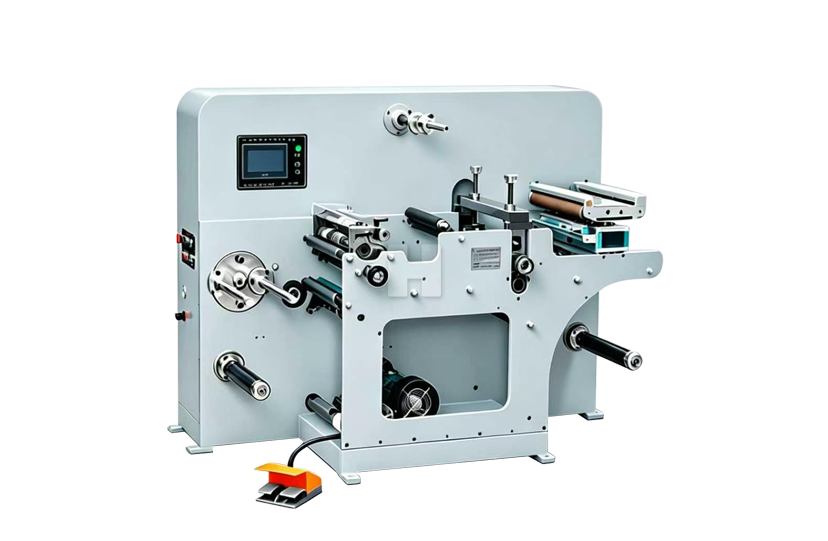
An Inkjet Digital Printing Machine prints artwork straight from a digital file onto packaging materials, so you skip plate making and cut setup time. In modern packaging, it handles self-adhesive labels, stickers, trademarks, color labels, and other roll products, especially when jobs are short, frequent, or customized. It also supports variable data such as barcodes and QR codes. This article explains how the technology works, where it fits, which types exist, and how to choose and source one. I also share the specifications of the plate-free label printer we build at Shanghai Honghua.
What Is an Inkjet Digital Printing Machine and How Does It Work?
Core Components Inside the Machine
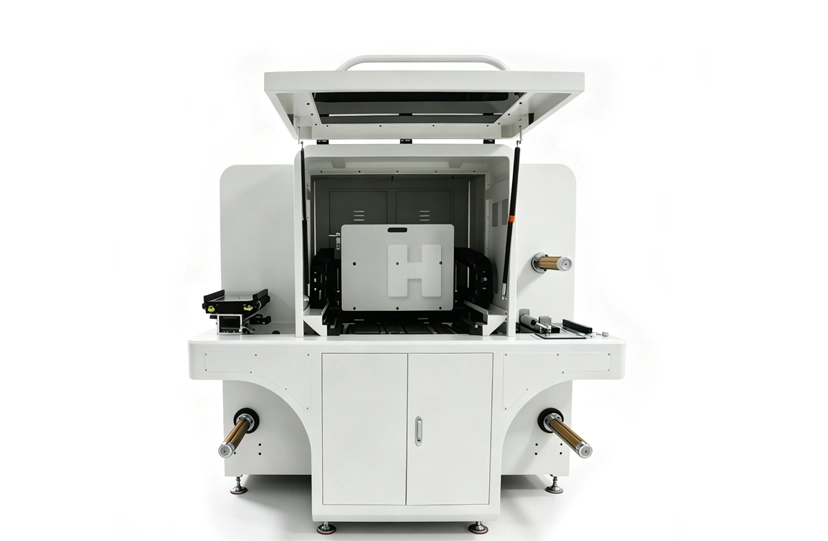
An Inkjet Digital Printing Machine places tiny ink droplets on a substrate through printheads that respond to a digital file. A substrate transport that unwinds and rewinds the roll, RIP and color management software, a curing unit, and inspection tools are some of the systems that are packed around the printheads. Each part changes the picture in some way. For example, registration drift can happen when web tension isn't stable, and droplet behavior can change when ink temperature isn't stable. You shouldn't just look at a machine and ask which printer is inside it. Find out how the whole thing works.
The Typical Workflow From File to Finished Roll
The team checks the file format, color mode, and styles of the art before it goes to print. Aside from TIFF and PDF files, our machine can read many other types as well. The RIP software then turns the file into droplet instructions. The printheads put ink on it, and the curing unit sticks it to the material. The person who loads the roll does this. The next step is to check it over. Finally, steps like die-cutting or laminating finish the job. To switch patterns, all that's needed is a file swap since the process doesn't need a plate or exposure. More work gets done when there is less time between tasks.
How Inkjet Differs From Flexo and Gravure?
For both flexographic and gravure printing, you need plates or cylinders. If you change the design, you have to buy new tools, spend time putting them up, and get test materials. They are cheap per unit for very long runs. Because you don't have to make any tools for printing, it's good for short to medium runs, changing artwork often, and working with data that changes. When the roll job is less than about 3,000 meters, digital is generally better. However, the cost of the ink and the medium can change the result. It's still not clear how well the colors will match or if they will work on different surfaces. Before you buy something, you should always test it yourself.
Key Inkjet Digital Printing Machine Applications in Modern Packaging
Self-Adhesive Labels and Stickers
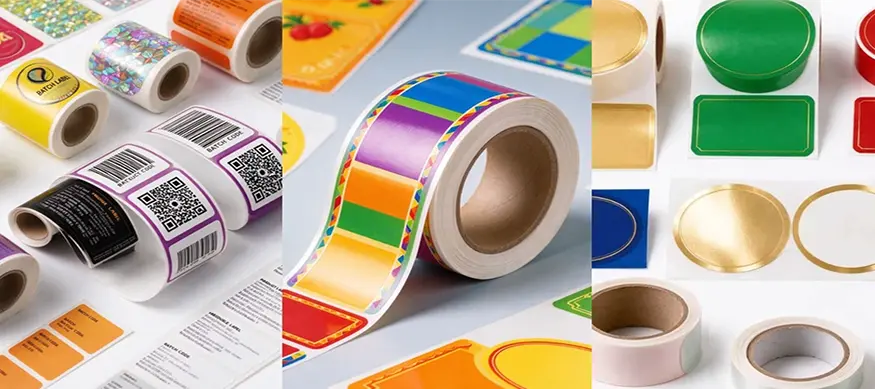
Labels that stick to each other work best with a roll-fed Inkjet Digital Printing Machine system. If you own a brand, you can buy more SKUs, regional versions, and patterns that change with the seasons. There may not be a need for many marks for each version. With a plate-free label printing machine, converters can do these jobs without having to buy plates for each one. It's the same with business cards. Rolls that are 75 mm to 350 mm wide and 0.02 mm to 1 mm thick can be printed on by our machine. It can print up to 322 mm wide.
Trademarks, Color Labels, and Roll Products
When it comes to color and trademark marks, they need to be straight across the middle, have proper registration, and have the same color right through to the end. Our combined printing unit has a repeat placement accuracy of 0.005 mm, and it can print in any color on both the front and back of the paper. That makes it easier to print on both sides of a label or add another color layer on the second try. Other rolls that are about the same width and thickness can also be put on the same base. Check out the real thing first.
Variable Data, Short Runs, and Fast Delivery
With an Inkjet Digital Printing Machine, you can print variable data, which means that the information on each sign can be different. Some of these are words that can be read in more than one language, barcodes, and QR codes. Before you place your order, talk to our sales team about the exact data flow. There is no need to make plates with the plate-free method, so there is no exposure and less waste during setup. This makes it best for short-run customized production. Faster turnaround also makes inventory less stressed because converters can print closer to the date of the order. People who work with US brands that change SKUs a lot may find this method useful.
Types and Benefits of Inkjet Digital Printing for Packaging Producers
Roll-to-Roll, Flatbed, and Hybrid Configurations
Tags, films, and paper webs all work well with roll-to-roll methods. Both flatbed and sheet-fed Inkjet Digital Printing Machines can work with boxes, boards, and corrugated sheets. There are hybrid lines that are made by putting digital units together with flexographic printing, coating, or finishing stations. In scanning systems, the printheads move from one piece of media to another. The printheads stay still in single-pass designs, while the material moves under them. This lets more work get done. The best match will be shown by your product mix. Most people who make pressure-sensitive labels choose roll-to-roll, which is what our label machine can do. On the other hand, a corrugated plant will look at flatbed or single-pass ideas.
UV, LED-UV, and Water-Based Inks
Which ink you use changes how well it sticks, how it smells, how fast it dries, and how bendy it is. UV light sets UV inks, and they stick to many films and papers that are covered and don't have pores. Being able to use LEDs instead of heat lamps is better for materials that are thin or easily damaged by heat. Water-based inks are getting more attention in paper and corrugated packaging. Our machine can fix things in two different ways because it has both an LED and a standard dual curing system.
Business Benefits for Converters
The best thing about any ink is that it gets to market the fastest. Follow the steps in ASTM D3359 to do a cross-hatch tape test and check your own material's rub resistance. There is no lead time for plates or an exposure step because there are no plates. This means that a new design goes to the press as soon as the file is ready. Costs go down when you don't have to buy tools and spend as much time setting up for small runs. It's more useful when a machine can do more than one thing. It may be better for the environment to have less setup waste and old labels, but you should also look at how much ink, energy, and substrate are used. To compare prices fairly, you should look at cost per job instead of cost per liter of ink.
Shanghai Honghua Plate-Free Label Inkjet Printer: Specifications and Features
Technical Specifications
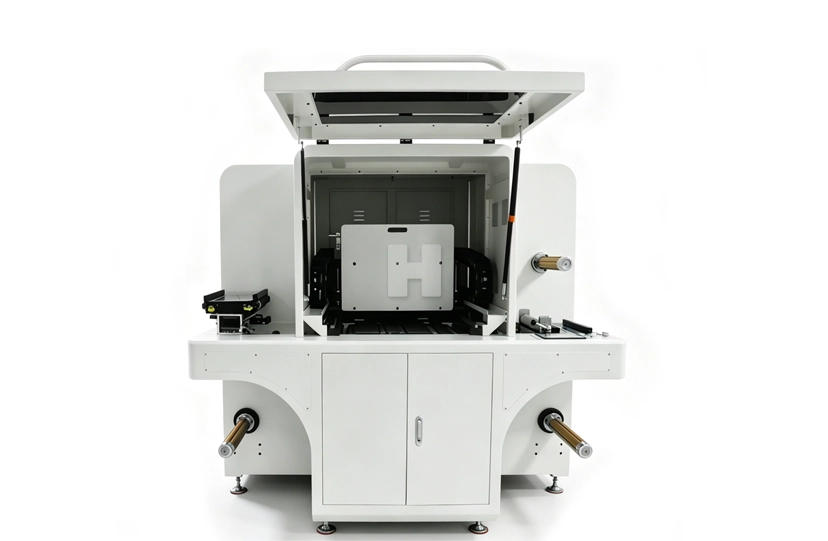
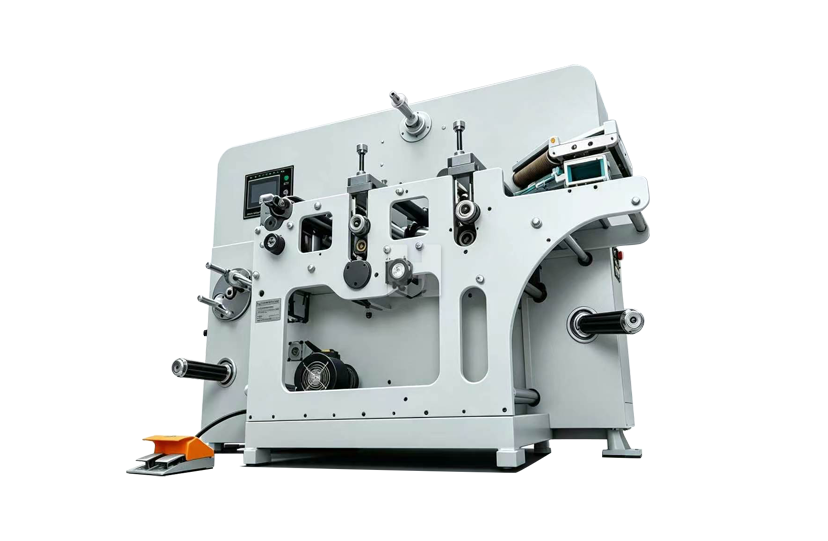
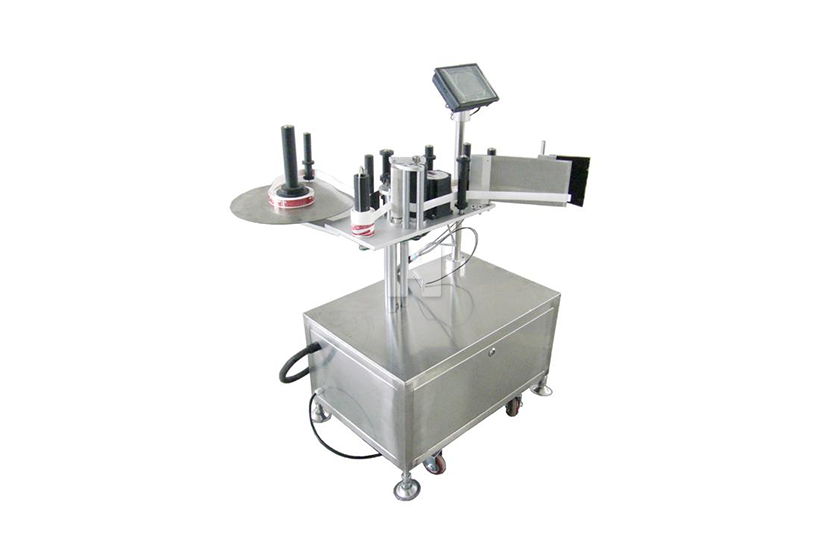
The Inkjet Digital Printing Machine we have can make labels that stick on their own, stickers, logos, color labels, and roll goods. It doesn't need plates. It's 2 m x 1.5 m x 1.9 m and weighs 1500 kg, so make sure the floor is clear and loaded up before it arrives. It needs 0.6 to 0.8 MPa of industrial air and 20 kW of power on 380V AC. The material can be between 0.02 mm and 1 mm thick, and the feed width can be between 75 mm and 350 mm. The width of the roll can reach 800 mm. The biggest print that can be made with CMYK four-color printing is 322 mm wide. If your company needs a different voltage, we can change it to 110V, 220V, or 380V.
Print Quality and Stability Features
These are the key things that keep print quality high every day.
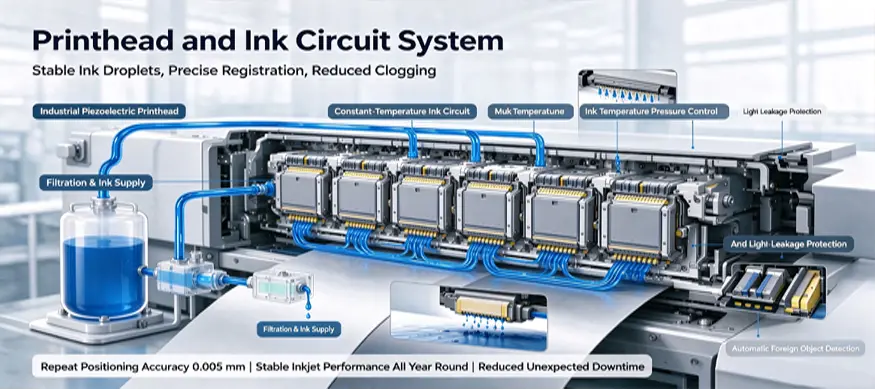
- Precision structure: It takes 0.005 mm to get the built-in printing unit to the same place every time. The ultra-high-precision machined base plate is heated several times to make it less likely to bend, and unique splicing technology makes it possible to print without any joins. For long production runs, stable frames keep the printheads in place, which saves time when registering jobs with many colors and two sides.
- Ink system control: The flow of ink is controlled by a special ink circuit and a multi-stage negative pressure design. The thermostat for the whole ink system is located in the main ink tanks. This keeps writing steady all year. It's helpful to know that holiday mode turns on when the power goes out so you don't have to use the computer.
- Printhead protection: Special slit LED technology keeps light from leaking, which keeps the printhead clean while it's working. Intelligent printhead protection and automatic foreign object detection are the second line of defense. This makes it less likely that something outside the printer will hurt a costly printhead. With these features, unexpected downtime is less likely to happen, and it costs less to get a new one.
These features fix the most common problems with converters, such as registration drift, printer jams, and problems that happen after being idle for a long time.
Design Life, Support, and Production Capacity
That's how long we made the Inkjet Digital Printing Machine. If you buy it, we'll be here to help you for life. Standard terms at Shanghai Honghua include a one-year warranty, free technical support for life, help from afar, and support for spare parts. Our network of warehouses in Southeast Asia makes it easier to ship goods across borders, and our factories are spread out across China to make sure fast delivery. We give all of our customers free models of one-of-a-kind solutions, and every machine has a PLC control system that runs it. You can order one unit as a sample to try the machine out before committing to a bigger order.
How to Choose, Source, and Plan Your Inkjet Digital Printing Machine?
Judge Performance and Quality With Real Materials
Words that are fast and clear don't always say everything about an Inkjet Digital Printing Machine. Find out how fast your job mix really works by asking about the time it takes to set up, change materials, cure, and inspect. You can measure color with a spectrophotometer and print test labels with it. Delta E can be used to keep track of how batches are different. ASTM D3359 talks about how tape sticks to things, and ISO 12647-8 tells us how to make sure digital printing is safe. Check for scratches, how long it takes to dry, and any steps for laminating. If a supplier wants these tests to be done, it means they trust the equipment.
Maintenance and Total Cost of Ownership
The quality of the prints stays the same when routines don't change. Every day, every week, and every month, you should clean the printer, check the nozzles, look at the ink, get rid of the waste ink, and adjust. If your printheads are clogged, you might see banding, missing nozzles, or different colors. This could be because of the wrong profiles, unstable media transport, or bad curing. Your industrial piezoelectric printheads should last between two and five years if you clean and take good care of them. After that time, you should plan to get new ones. Besides the price of the printer itself, you should also think about how much it costs for ink, energy, trash, extra parts, training, software, and downtime.
Supplier Evaluation, Delivery, and Rollout
Providers should give you samples of the materials you want, a written price quote, and clear terms for the guaranty. Getting something made at Shanghai Honghua takes about 60 days. We ship by boat, air, train, or directly with FOB (Shanghai/Ningbo), CIF, or DAP terms. Boxes made of strong wood that have been fumigated and layered with foam are used for exporting. Each printhead and servo motor travels in its own wooden box that is sealed to keep out water. To declare goods at a domestic customs office, it takes one to three business days. We can help you look over the paperwork for customs clearance at the office. Before the machine comes, make sure there is room on the floor, power, compressed air, and a way to move the materials.
Future Trends in Packaging Inkjet
More machines are being used to make packaging inkjet more efficient, and more materials can be used. Digitizing more things is possible with single-pass systems, and operators don't have to do as much work because inspection and management of the nozzles are done automatically. Water-based inks get a lot of attention in paper and cardboard packages because of rules about being green and following the rules. Variable data writing is used in more and more tracked items, QR codes, and serialization. Downtime that isn't planned for should also be cut down with predictive repair, related software, and sensors. Smithers talks about these changes in its report. What digital printing will do to packaging from now until 2028.
Conclusion
The setup process for labels, stickers, logos, and other roll products is streamlined by an Inkjet Digital Printing Machine, which prints directly from digital files and does away with the need for plates. This method works well for short to medium runs, data that changes often, and designs that are changed often. But flexo and gravure work better for very long runs. There are different types of formats that work best with hybrid, roll-to-roll, and flatbed printers. Compliance and stickiness are affected by the ink used and the way it is cured. People can be sure of the results if they try real materials, compare real output, check color with Delta E, and find out how much it will cost to own the printer, which includes repairs and new printheads. This page talks about a roll label machine that has a precise structure, controlled ink temperature, and printhead protection that keep the output steady. Planning ahead for things like power, space, and shipping also stops delays after the buy.
FAQ
Is an inkjet digital printing machine cost-effective for short runs?
Yes, when you don't need plates, exposure, or tools, the cost of setting up goes down. An Inkjet Digital Printing Machine works best for short runs of less than 3,000 meters, but the result can be different depending on the ink cost and the type of paper used.
What materials and widths does the Shanghai Honghua machine handle?
It needs rolls that are between 0.02 mm and 1 mm thick and 75 mm and 350 mm wide. The biggest picture that can be printed in CMYK is 322 mm wide. First, check your work.
How does the machine reduce printhead clogging?
The printheads don't get stuck up while they're working thanks to slit LED technology that doesn't let any light leak out. They're also safe because they automatically recognize any foreign objects. But the nozzles still need to be checked and cleaned often.
What power and air supply does it need?
It needs 0.6 to 0.8 MPa of industrial air and 20 kW of power on 380V AC. We can make the power 110V, 220V, or 380V work with your machine.
Request an Inkjet Digital Printing Machine Quote From Shanghai Honghua
Since 1998, Shanghai Honghua has been making things. They offer OEM and ODM services, a 12-month warranty, and free expert help for life. If you are looking for an Inkjet Digital Printing Machine manufacturer, send your label materials and job details to [email protected]. Then, one of our engineers will make a suggestion and give you a price. If you don't have a set MOQ, you can start with just one sample unit. You can also visit keguanyiliao.aixdb.cn to learn more.
References
1. The Future of Digital Print for Packaging to 2028, Smithers, 2023
2. Inkjet Technology for Digital Fabrication, Wiley, 2012
3. Handbook of Print Media: Technologies and Production Methods, Springer, 2001
4. Fundamentals of Inkjet Printing: The Science of Inkjet and Droplets, Wiley-VCH, 2016
5. ISO 12647-8: Graphic Technology — Process Control for the Production of Half-Tone Colour Separations, Proofs and Prints — Part 8, ISO, 2021
6. ASTM D3359: Standard Test Methods for Rating Adhesion by Tape Test, ASTM International, 2023